
Understanding Pet Food Labels: What Matters Most
Standing in the pet food aisle surrounded by dozens of brands making bold claims can feel overwhelming. Premium, natural, grain-free, holistic, human-grade - these marketing terms appear on nearly every package, yet their actual meaning and relevance to your pet's health often remain unclear.
Learning to decode pet food labels empowers you to move beyond marketing rhetoric and make genuinely informed decisions about what nourishes your companion. Understanding ingredient quality, nutritional adequacy statements and what those percentages actually mean transforms confusing labels into valuable information tools.
The Ingredient List: Where to Start
Ingredients appear in descending order by weight, with the heaviest components listed first. This simple rule provides your first insight into a food's true composition, though manufacturers employ various techniques that can obscure the complete picture.
Identifying Quality Protein Sources
The first ingredient ideally identifies a specific, named animal protein: chicken, beef, lamb, salmon or kangaroo rather than generic terms like "meat" or "poultry." Specific identification indicates higher quality control and traceability.
Whole meat ingredients contain approximately 75% moisture, which inflates their position on the ingredient list. "Chicken meal" or "lamb meal" represents concentrated protein with moisture removed, providing significantly more protein per gram than whole meat despite appearing lower on the list.
Protein Splitting Tactics
Some manufacturers divide single-ingredient types into multiple entries to push them lower on the label. For example, listing "rice," "rice bran," and "rice flour" separately rather than combining them as total rice content. This technique can make lower-quality foods appear more protein-focused than they actually are.
Scrutinise labels listing multiple grain or carbohydrate sources separately. When mentally combined, these ingredients might actually constitute the food's primary component despite appearing individually after the protein source.
Recognising Fillers and By-Products
"By-products" include organs, bones and other animal parts beyond muscle meat. Whilst some by-products provide valuable nutrition (liver, kidney, heart), the term's vagueness prevents knowing exactly what's included. Quality manufacturers specify "chicken liver" or "beef heart" rather than hiding behind ambiguous by-product terminology.
Common fillers like corn, wheat middlings and soybean hulls provide calories with minimal nutritional value. These ingredients appear primarily to reduce manufacturing costs rather than enhance pet nutrition.
Guaranteed Analysis: Understanding the Numbers
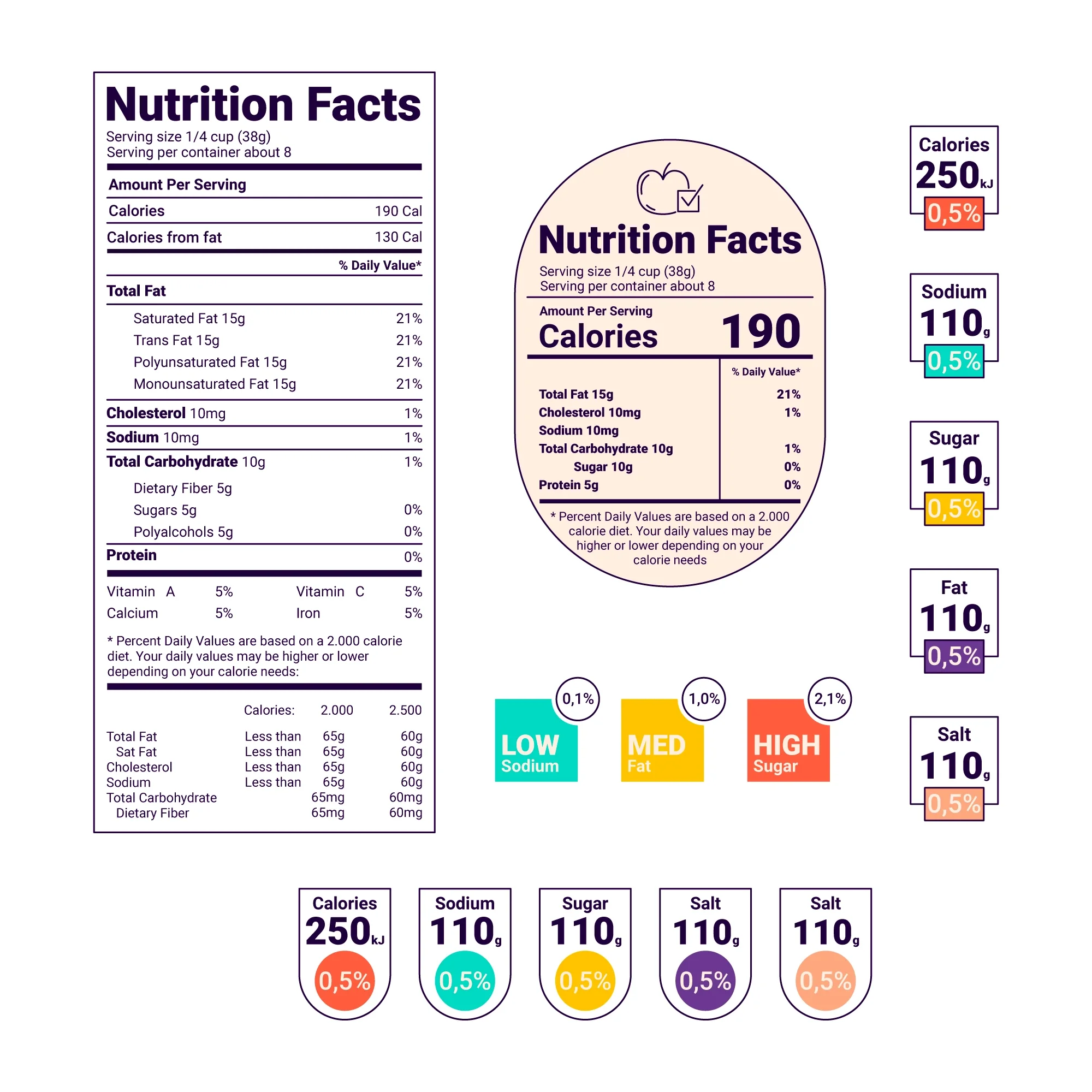
Every pet food label displays a guaranteed analysis showing minimum protein and fat percentages alongside maximum fibre and moisture levels. However, these numbers don't tell the complete story without context.
Moisture Content Matters
Comparing dry food to wet food based solely on guaranteed analysis percentages creates misleading conclusions. Dry foods contain approximately 10% moisture, whilst canned foods contain 75-80% moisture. This dramatic difference means a canned food listing 8% protein actually provides much higher protein concentration on a dry matter basis than the percentage suggests.
To accurately compare foods with different moisture contents, calculate the dry matter basis by removing water weight from the equation. This conversion reveals true nutrient density beyond moisture variation.
Protein Quality vs Quantity
A food listing 30% protein sounds impressive until you discover that protein derives primarily from corn gluten meal or feather meal rather than quality animal sources. Protein percentage matters less than protein source and digestibility.
Animal-based proteins provide complete amino acid profiles with high bioavailability for dogs and cats. Plant proteins often lack essential amino acids and demonstrate lower digestibility, meaning pets absorb less despite similar percentage claims.
Nutritional Adequacy Statements
The most critical element on any pet food label is the AAFCO (Association of American Feed Control Officials) nutritional adequacy statement. This declaration indicates whether the food provides complete, balanced nutrition and for which life stages.
Complete and Balanced
Foods labelled "complete and balanced" have either undergone feeding trials or met established nutrient profiles for specific life stages. This designation means the food theoretically provides all required nutrients without supplementation.
However, "complete and balanced" doesn't guarantee quality ingredients or optimal nutrition. It simply confirms the food meets minimum requirements to sustain life without causing obvious deficiencies during testing periods.
Life Stage Specifications
Pet foods are formulated differently for puppies/kittens, adult maintenance or "all life stages." Growing animals require higher protein, fat, calcium and phosphorus than adults. Senior pets may benefit from adjusted nutrient ratios supporting ageing bodies.
Foods labelled for "all life stages" meet requirements for the most demanding stage (growth/reproduction), which may provide excessive nutrients for less active adults. Selecting life stage-appropriate foods ensures nutrient profiles match your pet's current needs.
Decoding Marketing Claims
Pet food manufacturers employ compelling marketing language designed to appeal to human sensibilities rather than necessarily reflecting superior nutrition.
Natural and Holistic
"Natural" has minimal regulatory definition in pet food labelling. Generally, it suggests ingredients lacking synthetic additives, though processing methods may still alter nutritional value significantly. The term doesn't guarantee organic sourcing, humane farming or superior quality.
"Holistic" carries no regulatory definition whatsoever. Manufacturers use this term freely without meeting any specific standards. Don't let holistic claims substitute for careful ingredient and nutritional analysis.
Grain-Free Considerations
Grain-free diets gained popularity based on assumptions that grains cause allergies and don't suit carnivorous pets. However, genuine grain allergies prove relatively uncommon in dogs and cats. Protein sources like beef, dairy and chicken trigger allergies far more frequently than grains.
Recent research raised concerns about potential links between grain-free diets high in legumes and cardiac issues in certain dog breeds. Whilst investigations continue, grain-free doesn't automatically mean healthier or more appropriate for all pets.
Quality grains like brown rice, oats and barley provide digestible carbohydrates, fibre and nutrients. The issue isn't grains themselves but rather excessive grain content or use of low-quality grain by-products.
Human-Grade and Premium
"Human-grade" suggests ingredients meeting standards for human consumption. Whilst appealing conceptually, this doesn't automatically indicate optimal pet nutrition. Human nutritional requirements differ significantly from canine and feline needs.
"Premium" and "super premium" lack regulatory definitions. Any manufacturer can label their product as premium regardless of ingredient quality or nutritional value.
What's Not on the Label
Several critical factors affecting pet food quality don't appear on labels at all.
Manufacturing Standards
Labels don't reveal whether facilities follow rigorous quality control protocols, source ingredients reliably or test finished products for nutritional accuracy and contamination. Researching manufacturers' reputations and recall histories provides insights labels can't offer.
Ingredient Sourcing
Where ingredients originate and how they're produced remains invisible on labels. Some manufacturers source human-grade meats from local farms, whilst others import questionable quality proteins from countries with minimal oversight.
Digestibility
Two foods with identical guaranteed analyses may perform vastly differently because one uses highly digestible ingredients, whilst the other uses poor quality proteins and fillers. Digestibility testing doesn't appear on labels, yet it profoundly impacts how much nutrition your pet actually absorbs.
Making Informed Decisions with Professional Guidance
Understanding pet food labels represents an important step toward optimal nutrition, but labels alone don't tell the complete story. Your pet's individual requirements based on age, health status, activity level and any existing conditions require personalised consideration.
At Balance Bites, our veterinary nutrition consultations go beyond label reading to comprehensively assess your pet's unique nutritional needs. We consider ingredient quality, manufacturing standards, your pet's specific health requirements and practical feeding considerations to develop tailored recommendations.
Our integrative approach recognises that whilst premium ingredients matter, optimal nutrition also depends on digestibility, nutritional balance and appropriateness for your individual pet's circumstances.
Taking the Next Step
Armed with label literacy skills, you can navigate pet food selection with greater confidence, recognising marketing tactics and identifying genuinely quality options. However, the vast array of choices and conflicting information can still make decisions challenging.
If you're uncertain whether your pet's current food provides optimal nutrition, concerned about ingredient quality or seeking guidance for specific health conditions, professional consultation provides clarity and confidence.
Contact Balance Bites to schedule a comprehensive nutrition assessment. We'll review your pet's current diet, discuss your concerns and develop evidence-based recommendations that support their long-term health. Your companion deserves nutrition grounded in science, tailored to their needs and sourced from ingredients you can trust.
