
Faecal Microbiome Transplant
Advanced Microbiome Therapy for Chronic Gastrointestinal Disease
FMT is an emerging area of veterinary medicine focused on restoring a healthier gut microbiome in patients with chronic gastrointestinal disease and severe dysbiosis.
The gut microbiome plays a major role in:
digestion
immune regulation
inflammation
gut barrier health
fermentation and nutrient metabolism
skin and immune health
overall gastrointestinal resilience
When this microbial ecosystem becomes severely disrupted, some patients continue to struggle despite standard treatment approaches.
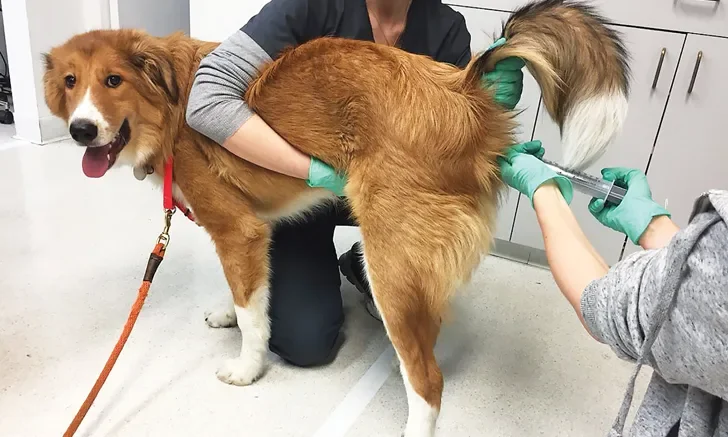
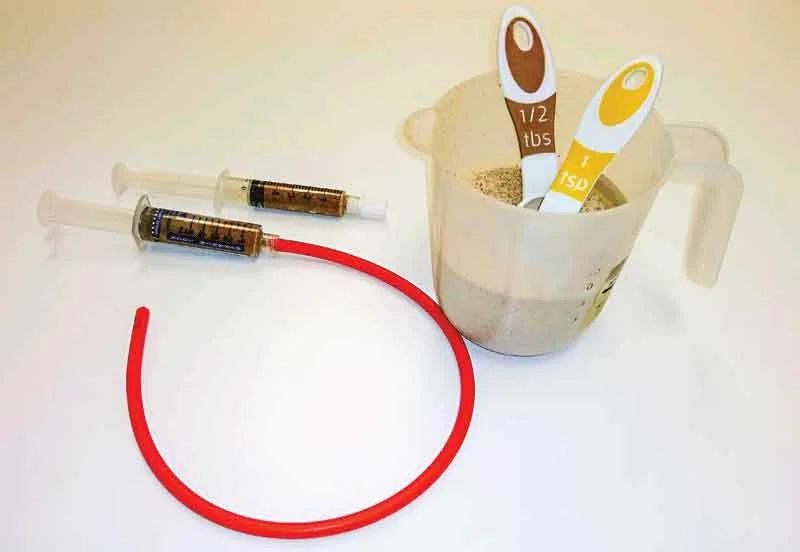
FMT aims to help restore microbial diversity and ecosystem stability by transferring beneficial microorganisms from a carefully screened healthy donor into the intestinal tract of the recipient.
Conditions That May Benefit;
FMT may be considered in selected patients with:
chronic diarrhoea
chronic enteropathy / IBD
severe dysbiosis
recurrent gastrointestinal flare-ups
post-antibiotic gastrointestinal dysfunction
poor response to conventional GI therapy
microbiome instability identified on testing
FMT is not a replacement for appropriate diagnostics, nutrition, or medical therapy.
Instead, it is used as part of a broader microbiome-focused treatment plan.
Donor Screening;
One of the most important parts of FMT is donor selection.
Not all “healthy” animals are suitable microbiome donors.
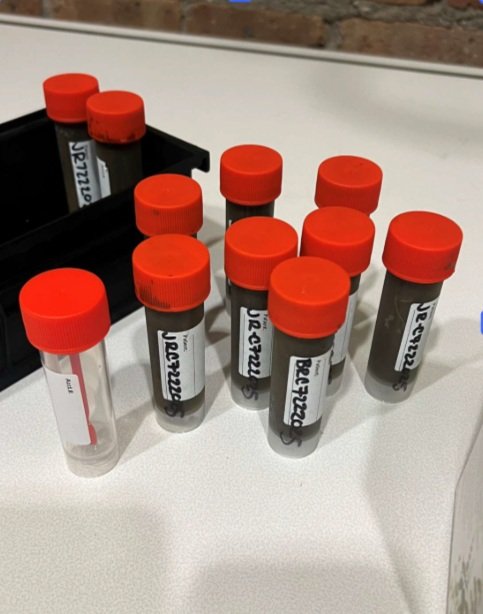
Our donor screening pathway is based on current veterinary FMT guidelines and includes:
blood testing
faecal parasite testing
diarrhoea PCR screening
FIV/FeLV testing in cats
medication and antibiotic history review
microbiome assessment
We aim to use young, clinically healthy donors with stable gastrointestinal health and minimal medication exposure.
-
Our Approach
We take a structured and evidence-based approach to microbiome medicine.
This generally begins with a comprehensive consultation and review of:
previous medical history
previous diagnostics and treatments
diet history
current medications
gastrointestinal signs and progression
Advanced GI and microbiome testing will be performed after initial consultation.
This helps determine:
whether dysbiosis is present
severity of microbiome disruption
whether FMT may be appropriate
what additional dietary or microbiome support may be required
-
Booking Information
Not every patient is an appropriate candidate.
A comprehensive consultation is required before booking the procedure to determine whether FMT may be suitable for your pet.
The process generally involves:
Comprehensive consultation and case review
Review of previous diagnostics and treatments
Advanced GI/microbiome testing where indicated
Assessment of suitability for FMT
Procedure planning and ongoing microbiome support
To enquire about FMT or book a consultation, please contact us