
When your pet has an ongoing condition—or several health problems at once—it can be difficult to know what needs attention first. A new symptom, a change in appetite or another set of test results can leave you wondering whether the current plan still fits.
At Balance Bites, Dr Tristan Maugueret helps owners make sense of the whole picture. He reviews your pet’s medical history, test results, medications, diet, mobility and day-to-day quality of life, then works with you to develop a practical plan. This care can sit alongside your regular veterinarian’s treatment, or provide a fresh assessment when progress has stalled or your pet’s needs have changed.
Request a chronic disease consultation
When might this service help?
Chronic disease care is for pets whose needs cannot always be addressed in a single appointment. You may be looking for help because:
- Your pet has been diagnosed with kidney, liver, gastrointestinal or endocrine disease, and you want a clearer plan for monitoring and day-to-day care.
- Symptoms such as vomiting, diarrhoea, poor appetite, weight loss or reduced mobility keep returning or have not responded as expected.
- Your pet has several conditions, and advice that helps one problem may complicate another.
- You would like to explore nutritional, pain-management or other integrative options alongside existing treatment.
- Your older pet is changing gradually, and you want to understand which changes need investigation and which can be managed to improve comfort.
- Your pet has cancer or another serious diagnosis, and you need help weighing up treatment, supportive care and quality-of-life goals.
You do not need to know which service to book before getting in touch. Tell us what has been happening, and we can advise on a suitable starting point.
Looking at the whole patient
A diagnosis is only one part of your pet’s story. Two animals with the same condition may need very different plans because of their age, other illnesses, medications, appetite, body condition and what is practical for their family.
Dr Tristan’s approach begins with a careful review of what is already known. This may include previous blood tests, imaging, specialist reports, a diet history and your observations at home. Where an examination or further investigation would change the plan, he can discuss the next steps with you and your regular veterinarian.
The aim is to bring these pieces together: identify the most pressing concerns, explain the available options and agree on what to monitor. Sometimes a useful change is small. In other cases, the priority is to investigate a new symptom or reconsider how several treatments are working together.
Areas of care
Kidney, liver and other metabolic conditions
Conditions such as chronic kidney disease, liver disease, diabetes and Cushing’s disease often require adjustments over time. Changes in appetite, weight, muscle condition, blood results or medication tolerance can all affect the plan.
We can review your pet’s results and current treatment, discuss appropriate monitoring and consider how nutrition and supportive care fit with their medical needs. For pets managing more than one condition, recommendations are made with the full clinical picture in mind.
Digestive disease and complex nutrition
Persistent vomiting, diarrhoea, food intolerance and fluctuating appetite can be frustrating, particularly when several diets or treatments have already been tried. We look at the history of your pet’s symptoms, previous investigations, current food and medications before deciding what may be useful next.
Depending on the case, this may involve a nutritional review, a therapeutic diet plan, further gastrointestinal testing or a discussion with your regular veterinarian about additional diagnostics. Home-prepared diets can be considered where appropriate and formulated to meet your pet’s nutritional requirements.
Pain, mobility and neurological conditions
A pet may be slowing down without showing an obvious limp. Difficulty rising, reluctance to use stairs, changes in sleep or a loss of muscle can all be worth investigating. Other pets need ongoing support after spinal disease, surgery or a neurological diagnosis.
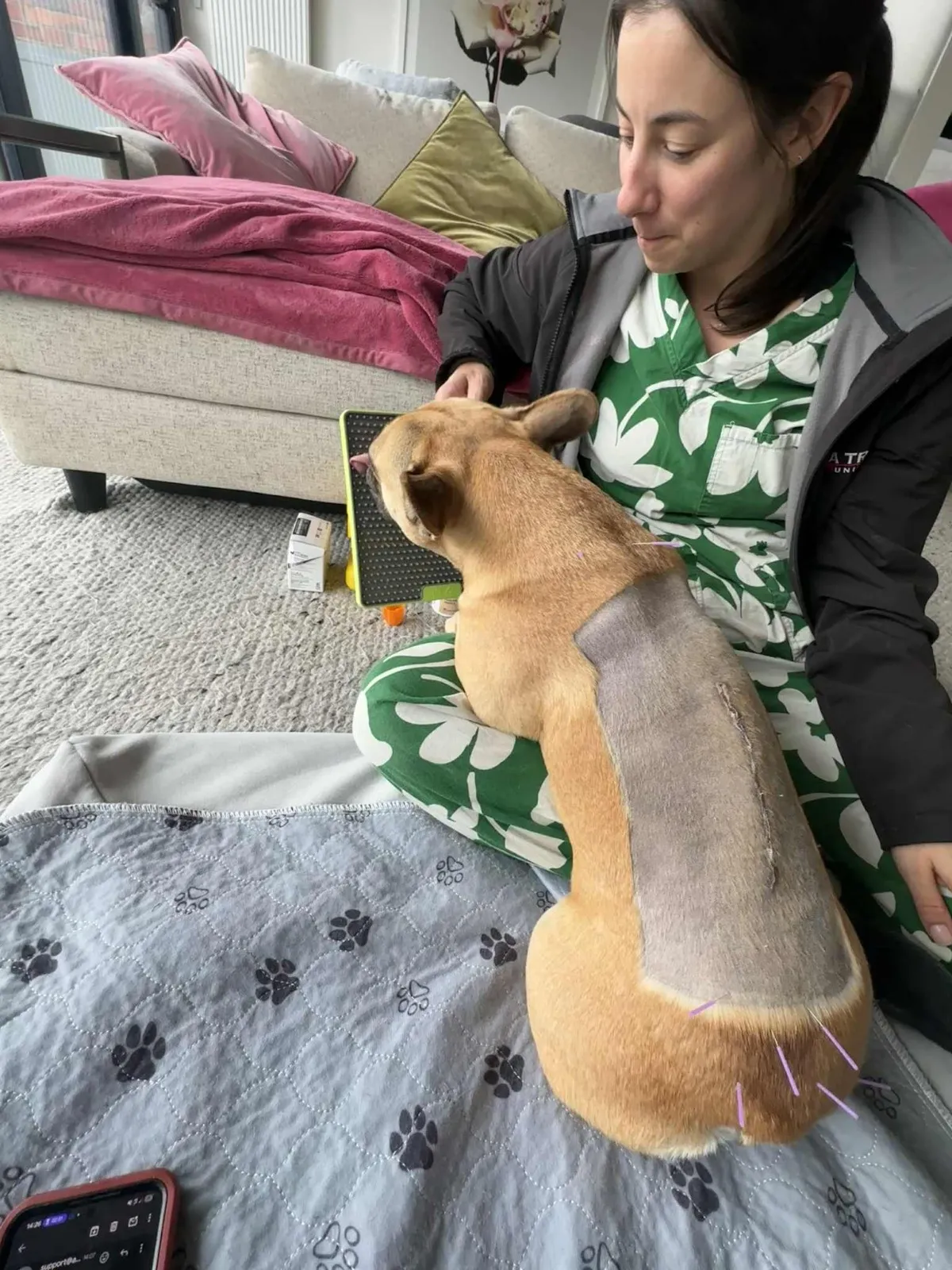
A home visit allows Dr Tristan to assess how your pet moves in their usual environment. Care may involve a musculoskeletal or neurological examination, review of existing treatment, pain-management options, acupuncture where appropriate, and coordination with rehabilitation or specialist care. Sudden weakness, paralysis or other acute deterioration needs prompt veterinary assessment.
Cancer and serious illness
A cancer diagnosis often brings several decisions at once. Alongside any surgery, oncology treatment or investigations advised by your pet’s treating team, we can help address concerns such as appetite, weight, pain, mobility and how your pet is coping at home.
The plan depends on the diagnosis, stage of disease and your goals. Supportive nutrition and symptom management may form part of care, with regular reassessment as your pet’s needs change.
What happens during a consultation?
Before the appointment, we will ask about your main concerns and request relevant records from your regular veterinarian. These may include recent blood results, imaging reports, medication details and a diet history. Reviewing what has already been done helps us use the consultation time well and avoid repeating investigations unnecessarily.
During the consultation, Dr Tristan will go through your pet’s history, your observations and the questions most important to you. An in-person examination may be needed, particularly when assessing pain, mobility, a new symptom or a significant change in condition. For suitable cases, a telehealth consultation may be an appropriate starting point or a way to review progress.
Afterwards, you will have a plan that sets out the priorities, recommended next steps and what to watch for. Where useful, we can share findings with your regular veterinarian so everyone involved in your pet’s care is working from the same information.
Ongoing care and monitoring
Chronic conditions rarely stay exactly the same. Follow-up may involve reviewing new test results, adjusting a diet, reassessing body and muscle condition, or changing the plan as your pet responds to treatment.
Some pets need a short period of closer monitoring; others benefit from less frequent reviews. We will discuss a follow-up schedule that reflects your pet’s condition and the decisions that need to be made, rather than asking you to commit to a fixed package of care.
As a condition progresses, your pet’s needs and your goals for their care may change. We can help you reassess the plan, manage symptoms and focus on comfort and quality of life when that becomes the priority. Palliative care is one part of this broader approach to chronic disease management.
Working with your regular veterinarian
Balance Bites can become involved at different points: soon after a diagnosis, when a condition is difficult to manage, or when you would value another perspective on an established plan. Dr Tristan can work alongside your regular veterinarian and other clinicians involved in your pet’s care. Your usual clinic remains important for routine care, urgent assessment and investigations or treatments that need clinic facilities.
Getting started
Tell us about your pet’s main concerns, where you are based and whether you have recent veterinary records. We will advise whether a home visit or another type of consultation is suitable, what information to send beforehand, and the expected fees before you book.