
Faecal Microbiota Transplantation for Dogs & Cats
Could restoring the gut microbiome help your pet?
Has your dog or cat been struggling with chronic diarrhoea, recurrent digestive upset, inflammatory bowel disease, chronic enteropathy or gastrointestinal symptoms that improve temporarily but continue to return?
In many of these patients, the gut microbiome has become significantly disrupted. Beneficial microbial populations may be depleted, bacterial diversity can fall and the normal production of compounds that support the intestinal lining may be impaired. This imbalance is known as dysbiosis.
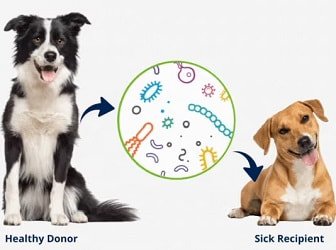
Faecal microbiota transplantation, commonly shortened to FMT, involves transferring a carefully prepared community of microorganisms from a healthy, extensively screened donor into the gastrointestinal tract of an unwell dog or cat. The aim is to help restore a more diverse and functional gut microbiome—not simply to add one or two strains of bacteria.
At Balance Bites Veterinary Services, FMT is used as an adjunctive treatment for selected patients rather than as a stand-alone cure. Before recommending treatment, I review your pet’s clinical history, current diet, medications, previous diagnostic results and, where appropriate, microbiome testing. This allows us to determine whether FMT is suitable and how it should fit into a broader nutrition and gastrointestinal treatment plan.
Veterinary research is still developing, but the available evidence suggests that FMT may benefit some dogs with acute and chronic gastrointestinal disease. In a retrospective study of 41 dogs with chronic enteropathy that had not responded satisfactorily to standard treatment, 31 dogs experienced reduced clinical signs following FMT used alongside their existing treatment. Responses varied, reinforcing the importance of careful patient selection and realistic expectations.
FMT may be considered for selected pets with:
Chronic or recurrent diarrhoea
Chronic enteropathy or inflammatory bowel disease
Significant dysbiosis or reduced microbial diversity
Persistent digestive signs despite diet and medical treatment
Repeated antibiotic exposure
Poor recovery of the gut microbiome following illness
Other complex gastrointestinal conditions where microbiome-directed treatment may be useful
Every patient requires veterinary assessment before treatment.
What Is Faecal Microbiota Transplantation (FMT)?
Faecal microbiota transplantation (FMT) is an emerging therapy that aims to restore the health of the gut microbiome by transferring a complex community of beneficial microorganisms from a carefully screened healthy donor into the gastrointestinal tract of an affected patient.
Unlike probiotics, which typically contain only a small number of selected bacterial strains, FMT transfers an entire microbial ecosystem. This includes thousands of different bacterial species, along with bacteriophages, fungi, archaea and the metabolic products they produce. Together, these microorganisms interact in ways that cannot currently be replicated by commercially available probiotic supplements.
The goal of FMT isn't simply to introduce "good bacteria." Instead, it is to help rebuild a healthy, diverse and resilient gut microbiome that can support normal gastrointestinal function, immune regulation and recovery from dysbiosis.
Research has shown that many dogs with chronic gastrointestinal disease have significantly reduced microbial diversity and altered bacterial function. Beneficial bacteria responsible for producing important compounds such as short-chain fatty acids (SCFAs) may be depleted, while less desirable opportunistic organisms become more dominant. These changes can contribute to ongoing inflammation, impaired intestinal barrier function and persistent digestive signs.
FMT attempts to restore this balance by reintroducing a complete microbial community from a healthy donor. Once established, these microorganisms may help:
Restore microbial diversity
Improve production of beneficial short-chain fatty acids (SCFAs)
Reduce intestinal inflammation
Improve resistance against opportunistic bacteria
Support normal intestinal barrier function
Promote a healthier and more resilient gastrointestinal ecosystem
It's important to remember that FMT is not a cure for every gastrointestinal disease. Rather, it is one tool that may help restore a healthier microbiome in carefully selected patients. For many pets, the best results are achieved when FMT is combined with appropriate nutrition, treatment of any underlying disease and ongoing management of factors contributing to dysbiosis.
Why Doesn't a Probiotic Do the Same Thing?
This is one of the most common questions I receive.
While probiotics can play an important role in supporting gastrointestinal health, they are fundamentally different from faecal microbiota transplantation.
Most veterinary probiotics contain one or several carefully selected bacterial strains. Although these organisms can provide meaningful clinical benefits in the right patient, they represent only a tiny fraction of the microorganisms that naturally inhabit a healthy gastrointestinal tract.
FMT, on the other hand, transfers an entire microbial ecosystem. Rather than introducing a handful of bacterial species, it provides thousands of microorganisms that have evolved to function together as a community. This includes bacteria involved in fibre fermentation, short-chain fatty acid production, bile acid metabolism, immune regulation and protection against opportunistic pathogens.
Because of this complexity, FMT has the potential to restore aspects of the microbiome that cannot currently be replicated using probiotics alone. However, this does not mean FMT replaces probiotics. Depending on your pet's condition, probiotics, prebiotics, dietary modification and FMT may all play complementary roles within a comprehensive treatment plan.
Ultimately, the decision to recommend probiotics, FMT or another microbiome-directed therapy depends on your pet's underlying disease, the severity of dysbiosis and the goals of treatment.
Which Pets May Benefit From Faecal Microbiota Transplantation?
Although faecal microbiota transplantation (FMT) has received significant attention in both human and veterinary medicine, it is not appropriate for every patient with gastrointestinal disease. Careful case selection remains one of the most important factors in determining whether FMT is likely to be beneficial.
Current evidence suggests that FMT is most useful in conditions where disruption of the gut microbiome (dysbiosis) is thought to contribute to ongoing disease. It is typically considered alongside nutritional management, conventional medical treatment and correction of any underlying disease rather than as a replacement for these therapies.
In my practice, FMT is most commonly considered for dogs and cats with chronic gastrointestinal disease that have responded poorly to standard treatment or continue to experience relapses despite appropriate management.
Chronic Enteropathy and Inflammatory Bowel Disease (IBD)
One of the most promising applications of FMT is in dogs with chronic enteropathy, including inflammatory bowel disease (IBD).
Many of these patients have significant alterations in their gut microbiome, including reduced bacterial diversity, depletion of beneficial bacteria and impaired production of short-chain fatty acids. Several veterinary studies have demonstrated improvements in clinical signs and restoration of microbial diversity following FMT, particularly when used alongside dietary management and appropriate medical therapy rather than as a standalone treatment.
Chronic or Recurrent Diarrhoea
Some dogs recover quickly from episodes of diarrhoea, while others seem to enter a cycle where symptoms repeatedly improve before returning.
In these patients, microbiome disruption may persist long after the original trigger has resolved. FMT may help restore a healthier microbial community, particularly in dogs with documented dysbiosis or those that have undergone multiple courses of antibiotics.
Acute Gastrointestinal Disease
Veterinary research has also investigated FMT in dogs with acute gastrointestinal disease, including acute haemorrhagic diarrhoea syndrome (AHDS) and parvoviral enteritis.
Although the evidence is still evolving, several studies suggest FMT may accelerate restoration of the gut microbiome and improve clinical recovery in selected patients. Further research is needed before routine use can be recommended in every case.
Following Repeated Antibiotic Therapy
Antibiotics are often essential and can be life-saving, but they may also significantly alter the normal gut microbiome.
Some pets recover rapidly once treatment finishes, while others continue to experience persistent dysbiosis, poor stool quality or recurrent gastrointestinal signs. For carefully selected patients, FMT may help support restoration of a healthier microbial ecosystem following antibiotic-induced disruption.
Recurrent Clostridial Disease and Severe Dysbiosis
Some patients develop marked disruption of the gut microbiome with overgrowth of opportunistic organisms and loss of beneficial bacterial populations.
Where significant dysbiosis has been identified through microbiome testing, FMT may provide an opportunity to restore microbial diversity and improve ecosystem resilience, particularly when combined with appropriate nutritional management.
Emerging Areas of Research
Research into FMT is expanding rapidly, and investigators are exploring its potential role in a wide range of diseases beyond the gastrointestinal tract.
Areas currently under investigation include:
Chronic skin disease and allergic dermatitis
Obesity and metabolic disease
Liver disease
Kidney disease
Behaviour and the gut-brain axis
Immune-mediated disease
While these areas are scientifically exciting, the current evidence remains limited. At present, I primarily recommend FMT for gastrointestinal disease where the strongest veterinary evidence exists.
Every Patient Is Different
FMT is never recommended based on a diagnosis alone.
Before considering treatment, I review your pet's clinical history, dietary history, medications, previous diagnostic testing and, where appropriate, microbiome analysis. This helps determine whether dysbiosis is likely to be contributing to your pet's condition and whether FMT is likely to provide meaningful benefit.
For some patients, dietary modification or targeted nutritional therapy may be all that is needed. For others, FMT may become an important part of a broader treatment plan aimed at restoring a healthier gut microbiome and improving long-term gastrointestinal health.
How Is Faecal Microbiota Transplantation Performed?
One of the most important factors influencing the success of faecal microbiota transplantation (FMT) is not simply the procedure itself—it's the quality and safety of the donor material being used.
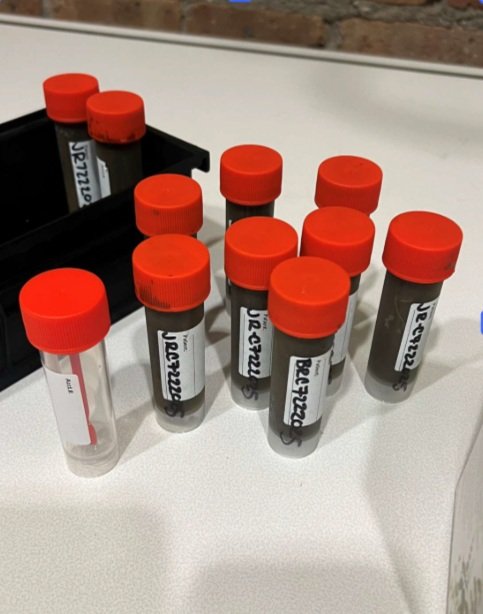
Every FMT begins with careful donor selection. Healthy donor animals undergo extensive screening to minimise the risk of transmitting infectious diseases, parasites or undesirable microorganisms to the recipient. Donor health, diet, lifestyle and gastrointestinal history all influence the quality of the microbiome being transferred and are important considerations when selecting suitable donors.
Once a suitable donor has been identified, fresh faecal material is processed under controlled conditions to preserve as much of the living microbial community as possible before being administered to the recipient.
How Is FMT Administered?
There are several ways to perform faecal microbiota transplantation, and the most appropriate method depends on the individual patient, their underlying disease and the goals of treatment.
Current veterinary techniques include:
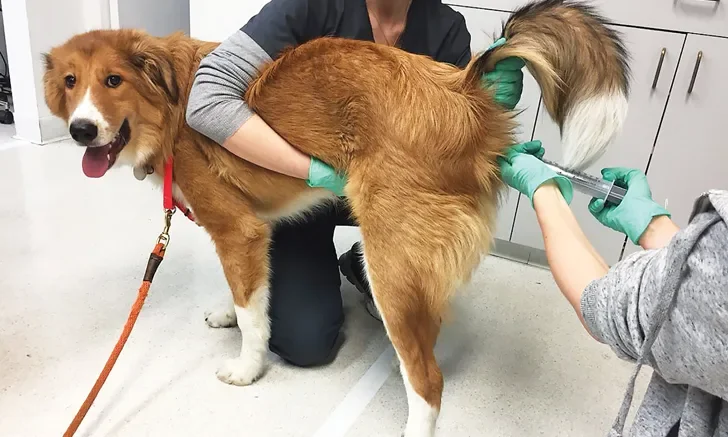
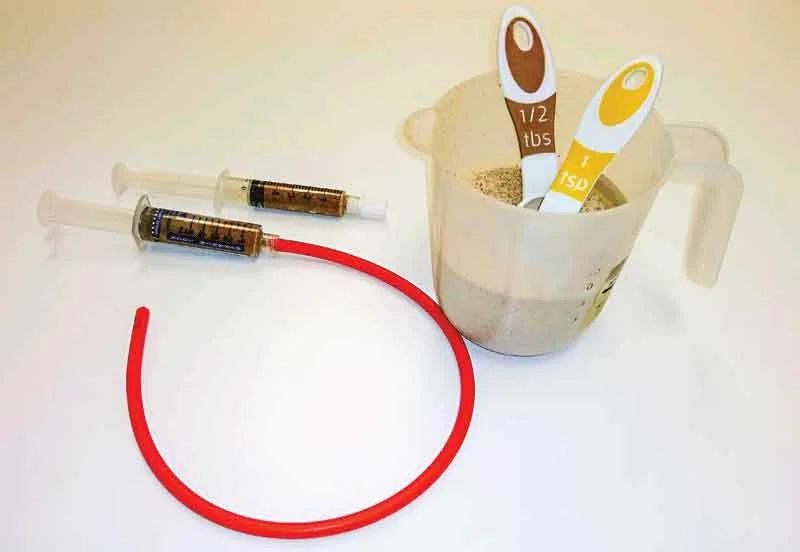
Rectal administration (enema) – the most commonly reported technique in veterinary medicine, allowing the donor microbiome to be delivered directly into the colon.
Oral capsules – an emerging technique that may be appropriate for some patients and offers a less invasive alternative in selected cases.
Each technique has advantages and limitations. The most appropriate method is determined on a case-by-case basis after considering your pet's diagnosis, temperament, concurrent disease and previous treatments.
Is Sedation or Anaesthesia Required?
Not always.
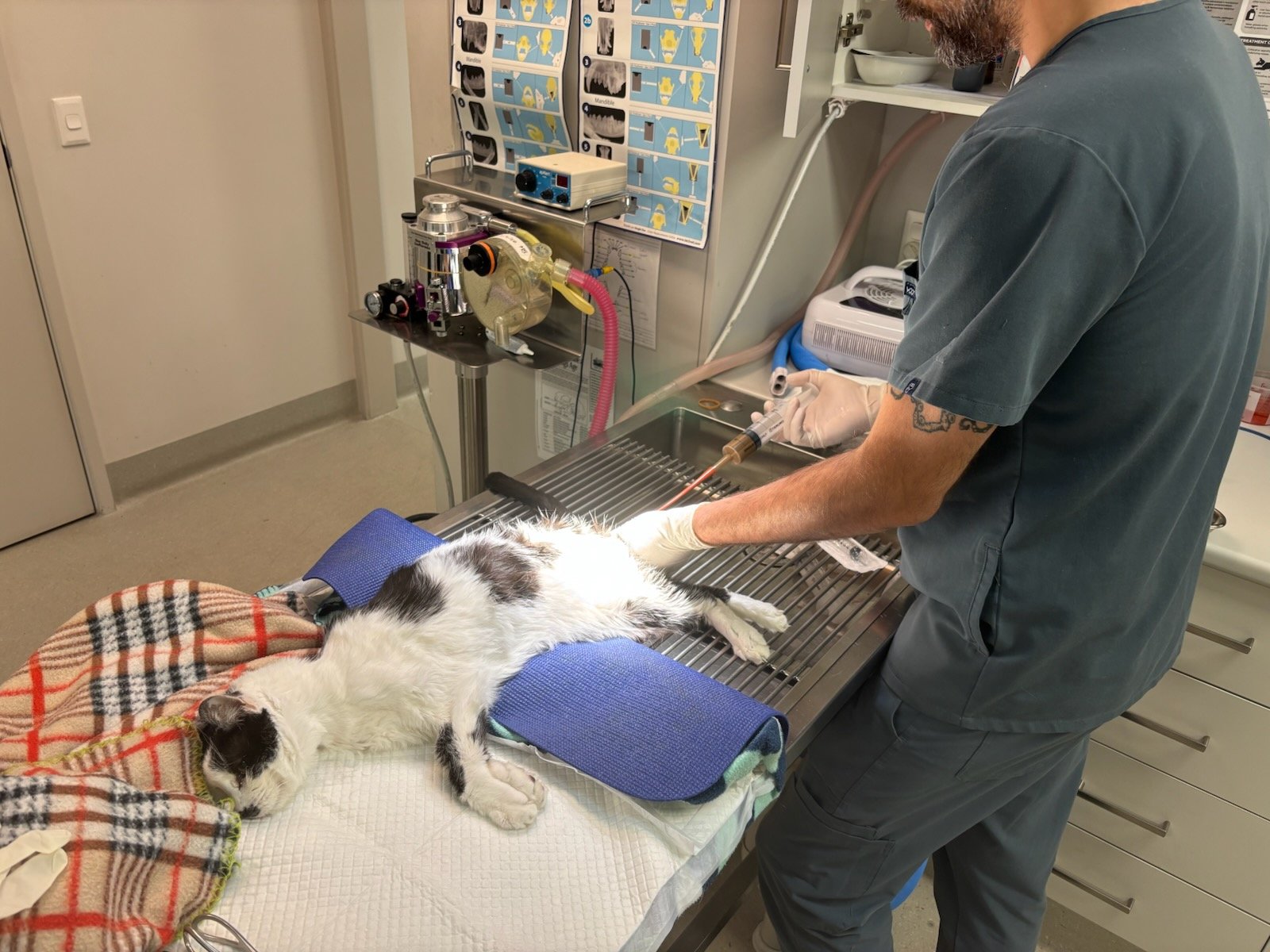
Many dogs tolerate rectal administration extremely well with gentle restraint and little or no sedation. More anxious patients or cats may require sedation or general anaesthesia to ensure the procedure is performed safely and comfortably.
We'll discuss the most appropriate approach for your individual pet before treatment.
Is One Treatment Enough?
Every patient responds differently.
Some pets show improvement after a single treatment, while others benefit from repeated FMT procedures performed over several weeks. The optimal treatment protocol is still being investigated, and recommendations are guided by your pet's clinical response, underlying disease and, where appropriate, repeat microbiome testing.
Rather than aiming to simply complete a procedure, the goal is to restore a healthier and more resilient gut microbiome while continuing to address the underlying disease through nutrition, medication and other supportive therapies.
Why Donor Selection Matters
Not all donor microbiomes are equal.
Research suggests that the composition and diversity of the donor microbiome may influence how successfully microorganisms establish within the recipient. This is one reason why careful donor selection and comprehensive health screening are considered essential components of modern FMT protocols.
At Balance Bites, donor selection is approached conservatively. Every potential donor is carefully assessed for overall health, gastrointestinal function, diet, parasite status and infectious disease risk before being considered suitable for donation. This helps maximise safety while giving recipients the best opportunity to establish a healthier microbial community.
-
Our Approach
Faecal microbiota transplantation (FMT) is most successful when it forms part of a comprehensive treatment plan rather than being performed as an isolated procedure. Every patient is different, and one of the most important aspects of treatment is understanding why dysbiosis developed in the first place and how we can create an environment that allows a healthier microbiome to establish long-term.
Before Treatment
Before recommending FMT, I perform a comprehensive review of your pet's medical history. This includes assessing previous blood tests, imaging, faecal examinations, diet trials, medications and any other relevant investigations.
Depending on your pet's condition, additional testing such as microbiome analysis may also be recommended. Understanding the health and function of your pet's gut microbiome before treatment helps guide case selection, identify the severity of dysbiosis and establish a baseline for monitoring progress.
The goal is to ensure FMT is being used in the right patient, at the right stage of their disease, and alongside the most appropriate nutritional and medical management.
Supporting the New Microbiome
FMT introduces a healthier microbial community—but it's the environment within your pet's gut that determines whether those microorganisms can establish and thrive.
If the underlying drivers of dysbiosis remain unchanged, the transplanted microbiome may struggle to persist.
For this reason, treatment doesn't stop once the FMT has been performed. Ongoing management often includes:
Individualised nutritional therapy
Appropriate dietary fibre to support microbial fermentation
Optimising gastrointestinal health
Reviewing medications where appropriate
Managing any underlying gastrointestinal disease
Supporting long-term microbial diversity
Monitoring Recovery
Recovery doesn't always happen overnight.
Some patients improve rapidly, while others continue to recover over weeks or months as the gastrointestinal tract heals and the microbiome adapts.
Follow-up appointments allow us to monitor your pet's clinical progress, including:
Stool quality
Appetite
Body weight
Gastrointestinal signs
Overall quality of life
For selected patients, repeat microbiome testing can also provide objective information about how the gut ecosystem is changing over time. Improvements in microbial diversity and function often complement the clinical improvements we see at home and can help guide ongoing treatment decisions.
-
Booking Information
If your dog or cat has been struggling with chronic diarrhoea, inflammatory bowel disease, recurrent gastrointestinal upset or confirmed dysbiosis, faecal microbiota transplantation may be worth considering as part of a comprehensive treatment plan.
The first step is an integrative consultation where we'll review your pet's medical history, previous diagnostic tests, diet and current treatment before discussing whether FMT or microbiome testing is appropriate.
Book an Integrative Gastrointestinal Consultation to discuss the best options for your pet.