
Veterinary Gut Microbiome Testing for Dogs & Cats
Unlock a deeper understanding of your pet's gut health
Has your dog or cat been struggling with chronic diarrhoea, vomiting, food sensitivities, inflammatory bowel disease (IBD), or digestive issues that never seem to completely resolve?
Traditional diagnostics such as blood tests, imaging and faecal examinations are essential, but they don't always explain why the gastrointestinal tract isn't functioning normally. Veterinary microbiome testing provides another layer of clinically relevant information by evaluating the health and function of your pet's gut microbiome—the trillions of microorganisms that play a vital role in digestion, immune function and overall wellbeing.
At Balance Bites, microbiome testing is never viewed as a standalone test. Every microbiome analysis is interpreted alongside your pet's medical history, diet, medications and previous diagnostic findings to develop a personalised treatment plan designed to restore gut health and support long-term recovery.
Whether your pet has chronic gastrointestinal disease or you're looking to optimise long-term pet digestive health, microbiome testing can provide valuable insights that help guide evidence-informed nutrition and treatment decisions.
Why Is the Gut Microbiome So Important?
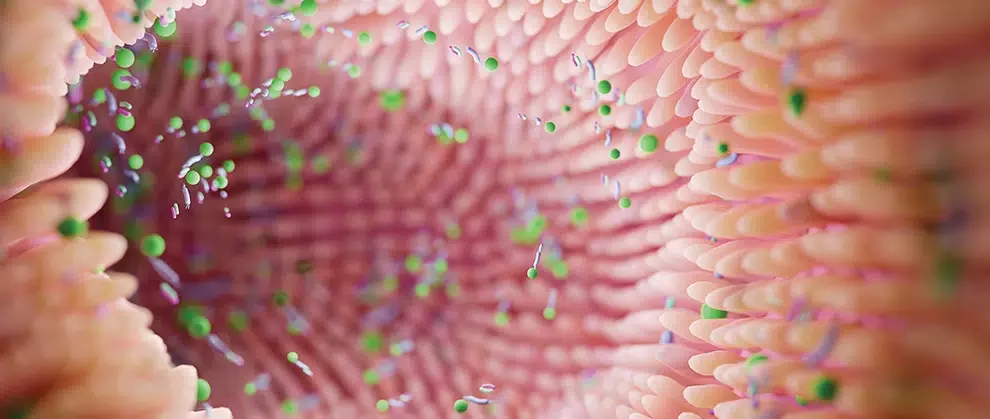
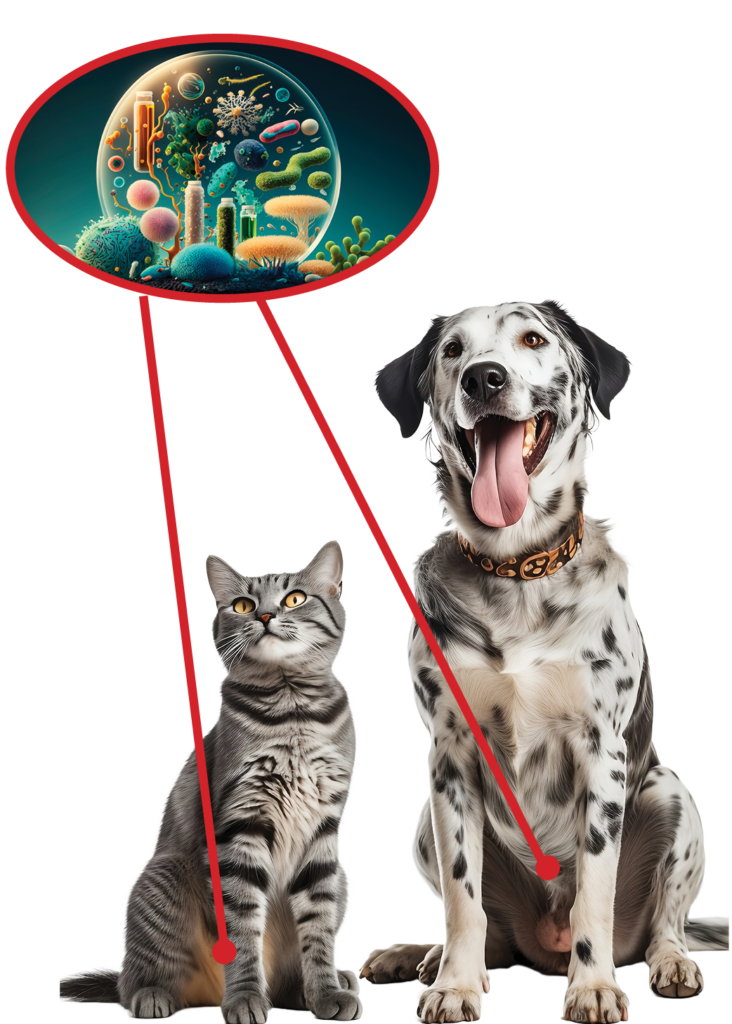
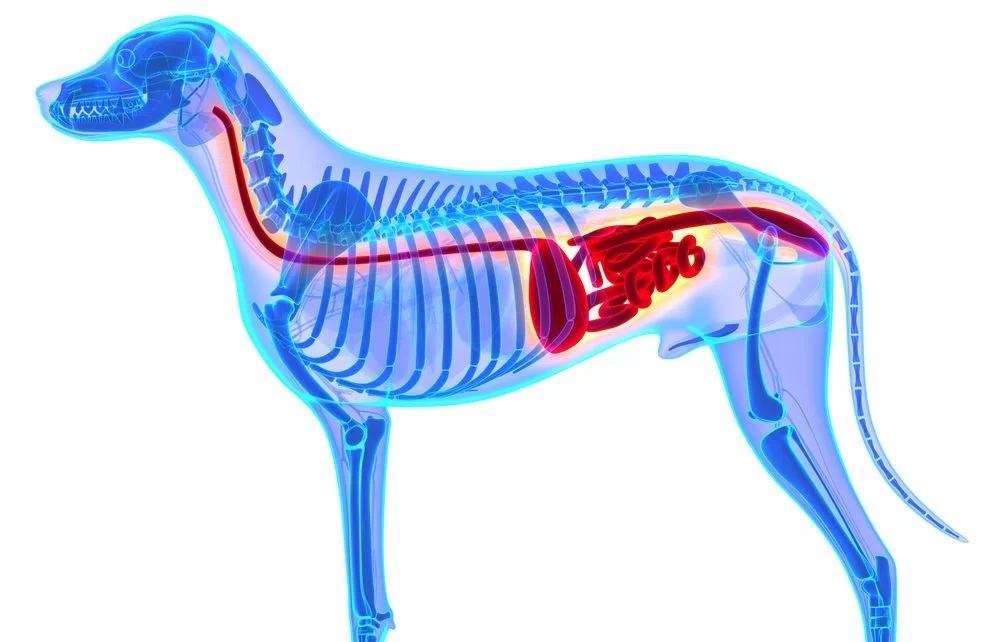
The gut microbiome refers to the trillions of bacteria, fungi and other microorganisms that naturally live within your pet's gastrointestinal tract. Far from simply helping digest food, these microbes form a complex ecosystem that works alongside your pet's own body to support digestion, nutrient absorption, immune function and the health of the intestinal barrier. In many ways, the microbiome functions like an additional metabolic organ, influencing processes throughout the body rather than just the digestive system.
Over the past decade, research has transformed our understanding of the microbiome. We now know that the health of this microbial community can influence far more than the gastrointestinal tract. Changes in the gut microbiome have been associated with chronic diarrhoea, inflammatory bowel disease (IBD), food-responsive enteropathy, obesity, allergies and other inflammatory conditions. Emerging research is also exploring important links between the microbiome, the immune system, skin and nervous system through the gut-brain and gut-skin axes.
A healthy microbiome performs many essential functions, including:
Breaking down dietary fibre into short-chain fatty acids (SCFAs) that provide energy for the cells lining the colon and help regulate inflammation.
Supporting digestion and nutrient absorption.
Maintaining the intestinal barrier to help prevent harmful bacteria and toxins entering the bloodstream.
Competing with potentially harmful bacteria, helping maintain a balanced microbial ecosystem.
Supporting normal immune function and communication between the gut and the rest of the body.
When this delicate balance is disrupted—a process known as dysbiosis—beneficial bacteria may decline while less desirable organisms become more dominant. The result isn't simply "bad bacteria"; it is often a reduction in microbial diversity, altered fermentation, reduced production of beneficial compounds such as SCFAs and an environment that is less resilient to disease. These functional changes may contribute to ongoing digestive signs and can make recovery more difficult, even after the original problem has been treated.
This is why the microbiome has become such an important area of veterinary medicine. Rather than focusing solely on identifying disease, we can begin to understand how the gastrointestinal ecosystem is functioning and use that information to guide more targeted nutritional and medical interventions. For pets with chronic gastrointestinal disease, this often provides another valuable piece of the puzzle when traditional diagnostic testing hasn't told the whole story.
What Does a Microbiome Analysis Actually Tell Us?
Unlike traditional animal health tests, which assess organ function, inflammation or infection, microbiome analysis evaluates the health and function of the entire microbial ecosystem living within your pet's gastrointestinal tract. Rather than asking "Is there disease?", microbiome testing helps answer a different question: "How well is the gut ecosystem functioning, and could it be contributing to my pet's illness?"
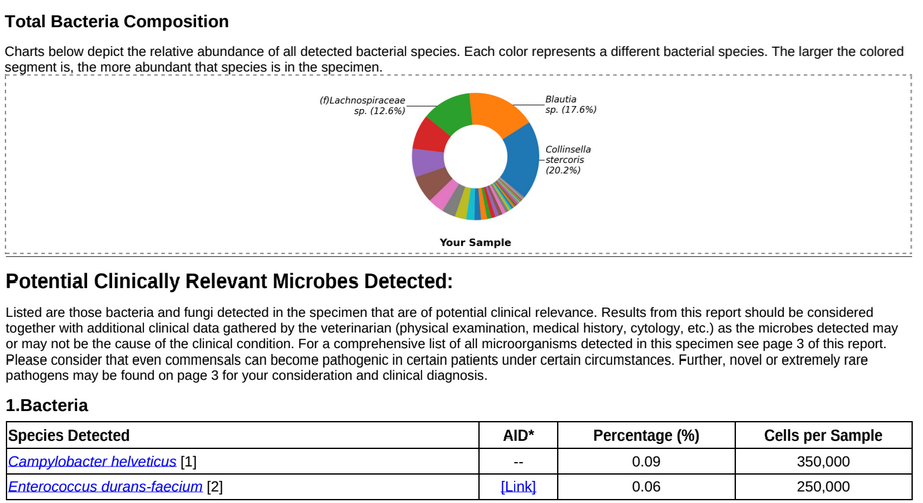
Modern microbiome testing provides far more than a list of bacteria. Using advanced DNA sequencing and functional analysis, it assesses the balance, diversity and activity of the gut microbiome, helping us understand not only which microorganisms are present, but how effectively they are supporting your pet's digestive and immune health.
A comprehensive microbiome analysis may provide information about:
Microbial diversity – A healthy microbiome contains a rich and balanced community of microorganisms. Reduced diversity is commonly associated with chronic gastrointestinal disease and a less resilient gut ecosystem.
Dysbiosis severity – Rather than simply identifying an imbalance, advanced reports estimate the severity of dysbiosis, allowing changes to be monitored over time and helping assess response to treatment.
Short-chain fatty acid (SCFA) production – SCFAs are produced when beneficial bacteria ferment dietary fibre. They provide fuel for the cells lining the intestine, help regulate inflammation and are one of the most important indicators of a healthy microbiome.
Fermentation patterns – A healthy microbiome efficiently ferments dietary fibre. When this process is impaired, fermentation may shift towards protein metabolism, producing compounds that contribute to gas, bloating, diarrhoea and intestinal inflammation.
Beneficial and opportunistic bacterial populations – Rather than simply classifying bacteria as "good" or "bad", microbiome analysis evaluates the overall balance of the microbial community and identifies when opportunistic organisms begin to dominate.
Overall microbiome function – Modern reports assess how effectively the microbial ecosystem is functioning and relate these findings to your pet's clinical signs, providing information that extends well beyond bacterial identification alone.
While these findings are valuable, the laboratory report itself is only one part of the process. The real benefit comes from understanding what those changes mean for your individual pet and how they should influence treatment.
Turning Microbiome Results into a Personalised Treatment Plan
Every microbiome report I receive is interpreted alongside your pet's clinical history, diet, medications, previous blood tests, imaging and other diagnostic findings. This allows me to determine which microbiome changes are likely to be clinically relevant and, more importantly, whether they should change the way we manage your pet.
Rather than applying the same treatment to every patient, microbiome analysis helps guide an individualised management plan that may include:
Personalised Nutrition
Diet has one of the greatest influences on the gut microbiome. The results of a microbiome analysis often guide decisions regarding protein sources, dietary fibre, fat content and overall nutritional strategy. Even relatively small dietary changes can significantly influence microbial diversity and fermentation patterns over time.
Targeted Fibre Therapy
Different fibres have very different effects on the microbiome. Some promote the production of beneficial short-chain fatty acids, while others primarily increase stool bulk or may even worsen gastrointestinal signs in certain patients. Microbiome analysis helps determine the most appropriate fibre strategy for the individual pet rather than relying on a generic recommendation.
Probiotics, Prebiotics and Postbiotics
Many owners assume probiotics are always beneficial, but this isn't necessarily the case. In patients with significant opportunistic bacterial overgrowth, certain probiotic formulations or rapidly fermentable prebiotics may actually worsen clinical signs. Microbiome analysis helps determine whether these therapies are appropriate, which products are most likely to be beneficial and when they should be introduced.
Faecal Microbiota Transplantation (FMT)
For some patients with severe dysbiosis or markedly reduced microbial diversity, restoring the microbiome may require more than dietary modification alone. In carefully selected cases, faecal microbiota transplantation (FMT) can help rebuild a healthier microbial ecosystem. Microbiome testing is valuable both for identifying suitable candidates and for monitoring response following treatment.
Additional Diagnostic Testing
Occasionally, microbiome findings suggest that another underlying process may be contributing to disease. Rather than replacing conventional diagnostics, microbiome testing can help identify when additional investigations—such as advanced gastrointestinal testing or environmental toxin assessment—may be appropriate to further investigate persistent disease.
Monitoring Recovery
Unlike many diagnostic tests that are performed once, microbiome testing can also be used to monitor progress over time. Improvements in microbial diversity, fermentation patterns and other functional markers provide objective evidence that nutritional and medical interventions are restoring a healthier gut ecosystem and can help guide ongoing treatment decisions.
Ultimately, I don't treat microbiome reports—I treat patients. The laboratory results are simply another tool that helps me better understand the underlying health of your pet's gastrointestinal ecosystem. By combining microbiome analysis with a comprehensive clinical assessment, we can develop a personalised treatment plan that supports pet digestive health and addresses the factors contributing to chronic disease, rather than simply managing the symptoms.
Which Pets Benefit Most From Microbiome Testing?
While microbiome testing isn't necessary for every dog or cat, it can provide valuable additional information in pets with chronic or recurrent health problems, particularly when standard diagnostics have failed to identify the whole picture.
In my practice, microbiome testing is most commonly recommended for pets with ongoing gastrointestinal disease, persistent digestive signs or those that haven't responded as expected to dietary or medical treatment. Rather than replacing traditional animal health tests, microbiome analysis helps us better understand the underlying health of the gastrointestinal ecosystem and identify opportunities to improve recovery through targeted nutrition and microbiome support.
Microbiome testing may be particularly beneficial for pets with:
Chronic diarrhoea or intermittent loose stools
Chronic vomiting, nausea or poor appetite
Inflammatory bowel disease (IBD) or chronic enteropathy
Suspected food-responsive enteropathy or food intolerance
Recurrent pancreatitis or complex gastrointestinal disease
Chronic skin disease or allergies where gut health may be contributing
Repeated courses of antibiotics or poor recovery following antibiotic treatment
Persistent gastrointestinal signs despite normal blood tests, imaging or faecal examinations
Pets requiring a personalised nutritional plan to support long-term pet digestive health
Microbiome testing can also be valuable when monitoring response to treatment. In patients with significant dysbiosis, repeat microbiome analysis allows us to assess whether microbial diversity is improving, beneficial fermentation pathways are recovering and the gut ecosystem is becoming more stable over time. This provides objective information to complement your pet's clinical progress and helps guide ongoing nutritional and medical decisions.
Understanding the Limitations of Microbiome Testing
While microbiome testing has become an extremely valuable tool in veterinary medicine, it's important to understand what it can—and cannot—tell us. Like any diagnostic test, microbiome analysis should be viewed as one piece of the puzzle rather than a standalone answer.
The gut microbiome is highly dynamic. Diet, medications, antibiotic use, stress, underlying disease and even environmental factors can all influence the microbial community. As a result, every microbiome report represents a snapshot of your pet's gastrointestinal ecosystem at a single point in time. Results should always be interpreted alongside your pet's clinical history and other diagnostic findings rather than in isolation.
Microbiome testing also doesn't replace conventional veterinary diagnostics. Blood tests, imaging, faecal parasite examinations, gastrointestinal panels, biopsies and other animal health tests remain essential for diagnosing many diseases. Instead, microbiome analysis provides additional information about the function of the gastrointestinal ecosystem that cannot be obtained from these tests alone.
It's also important to remember that microbiome changes do not necessarily cause disease. In many cases, dysbiosis develops as a consequence of an underlying illness, while in others it may contribute to ongoing inflammation or delayed recovery. One of the challenges—and opportunities—of modern microbiome medicine is determining how these changes fit into the individual patient's clinical picture.
This is why interpretation is so important. A laboratory report can identify abnormalities in bacterial diversity, fermentation patterns or microbial balance, but it cannot fully account for your pet's diet, lifestyle, medications, previous illnesses or clinical examination. These factors all influence how the results should be interpreted and whether they are likely to be clinically significant.
Although research into the gut microbiome is advancing rapidly, there is still much we don't know. As our understanding continues to grow, microbiome testing will undoubtedly become even more sophisticated, allowing us to better understand the relationship between the gut microbiome, nutrition and disease. For now, its greatest value lies not in replacing traditional diagnostics, but in complementing them and helping us make more informed, individualised treatment decisions.
-
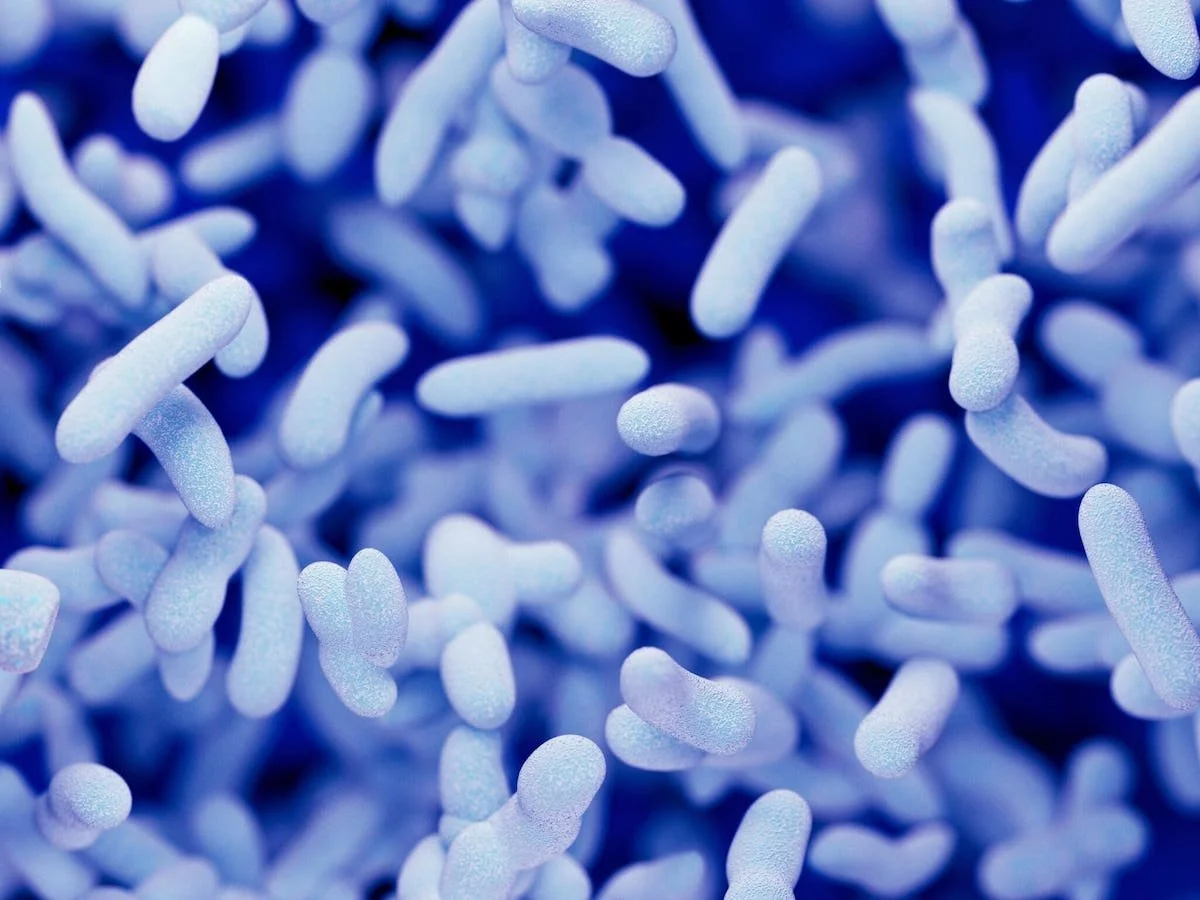
Ready To Take The Next Step?
If your dog or cat has been struggling with chronic diarrhoea, vomiting, inflammatory bowel disease, food-responsive enteropathy or other persistent digestive problems, microbiome testing may provide valuable additional insights into their gastrointestinal health.
During your consultation, we'll review your pet's medical history, previous diagnostic tests, diet and microbiome results to develop a personalised plan designed to support long-term pet digestive health.
Whether you're looking for answers after months of ongoing digestive issues or simply want a more complete understanding of your pet's gut health, I'd be happy to help.
Book a Nutrition & Microbiome Consultation to discuss whether microbiome testing is appropriate for your pet and how the results can be used to guide a personalised treatment plan.
-
How Testing Works
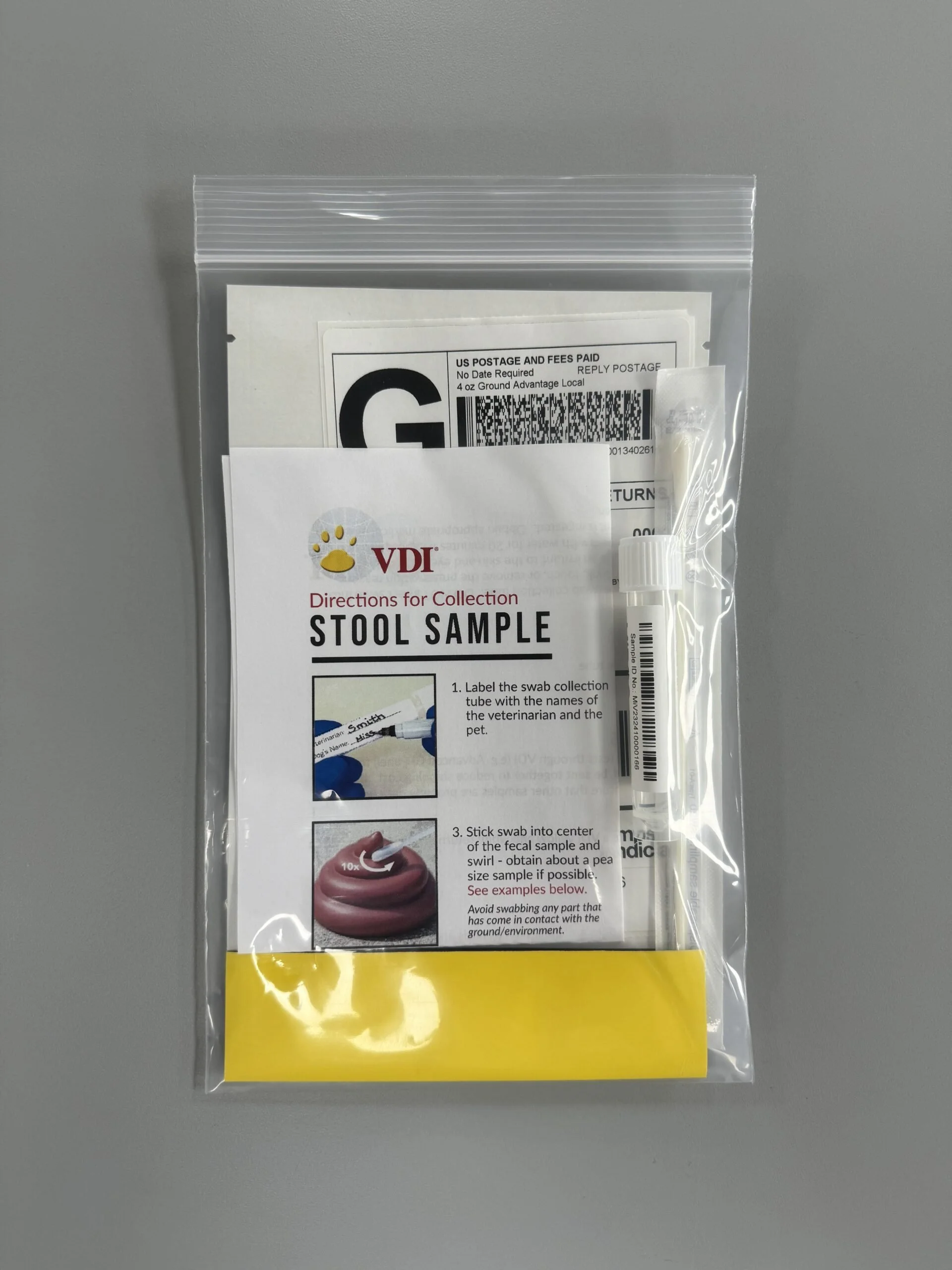
Getting started with microbiome testing is straightforward. The testing itself is non-invasive and can usually be completed from the comfort of your own home.
1. Sample Collection
We require a fresh faecal sample from your dog or cat. Once collected, the sample is packaged and sent to our reference laboratory for microbiome analysis.
2. Laboratory Analysis
Using advanced DNA sequencing and functional microbiome assessment, the laboratory evaluates the health of your pet's gut microbiome, including microbial diversity, dysbiosis, fermentation patterns, short-chain fatty acid production and other clinically relevant markers that help assess pet digestive health.
3. Results & Personalised Plan
Once the report is available, we'll review the results together and discuss what they mean for your pet., which may include nutritional modification, targeted supplementation, microbiome-directed therapies or recommendations for further investigation where appropriate.